Human Resources
Why Teams Reject Time Tracking at First
Why teams initially reject time tracking—privacy fears, vague purpose, pay worries, and poor rollouts, and how consent-based tracking helps.
9 min read
Productive employees don't need surveillance — they need autonomy and trust.

Why teams initially reject time tracking—privacy fears, vague purpose, pay worries, and poor rollouts, and how consent-based tracking helps.

Deleting screenshots can remove linked time from verified timesheets, change manager visibility, and still leave an audit log.
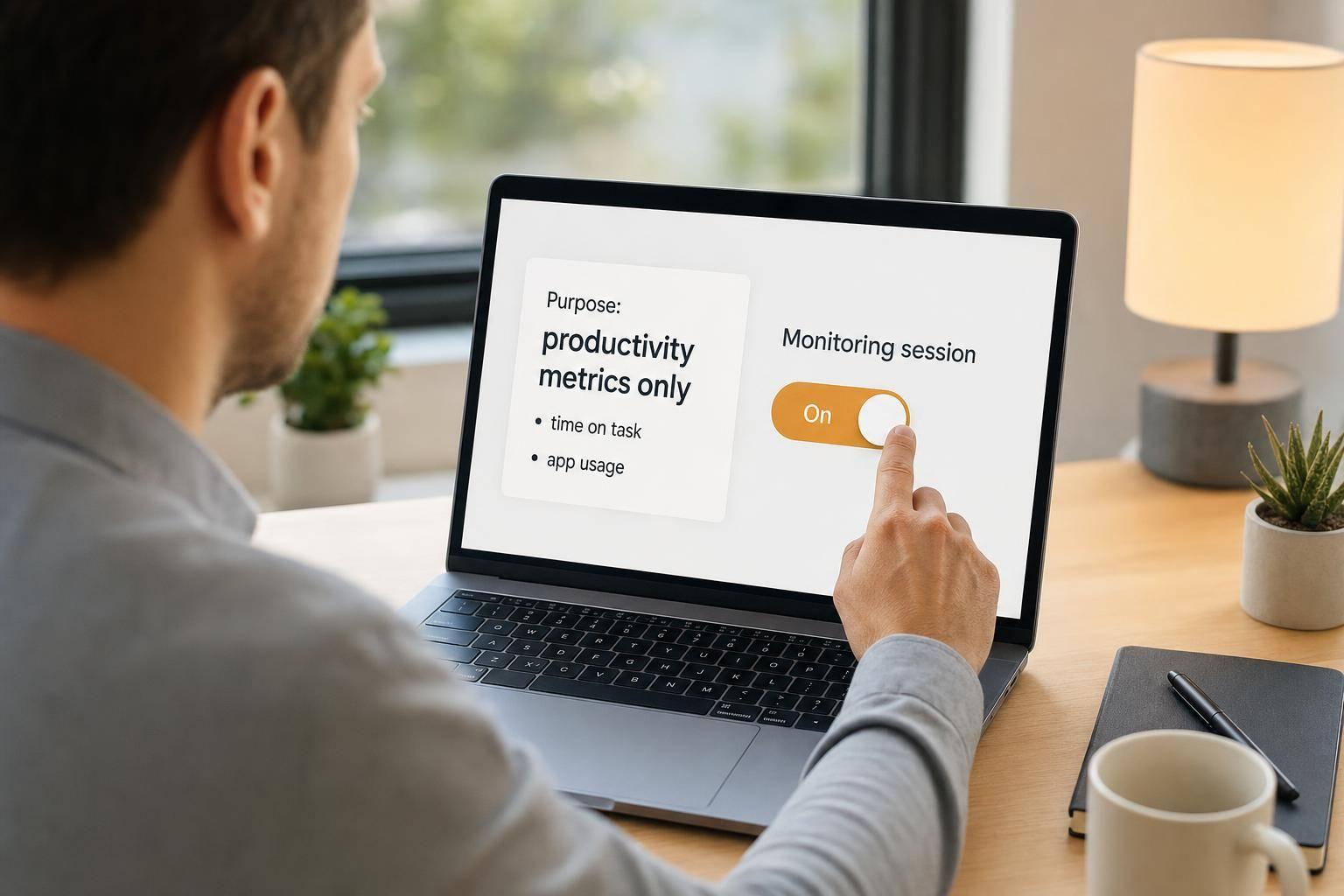
Consent and purpose both matter in employee monitoring: employees need session control, and data use must be narrowly defined.
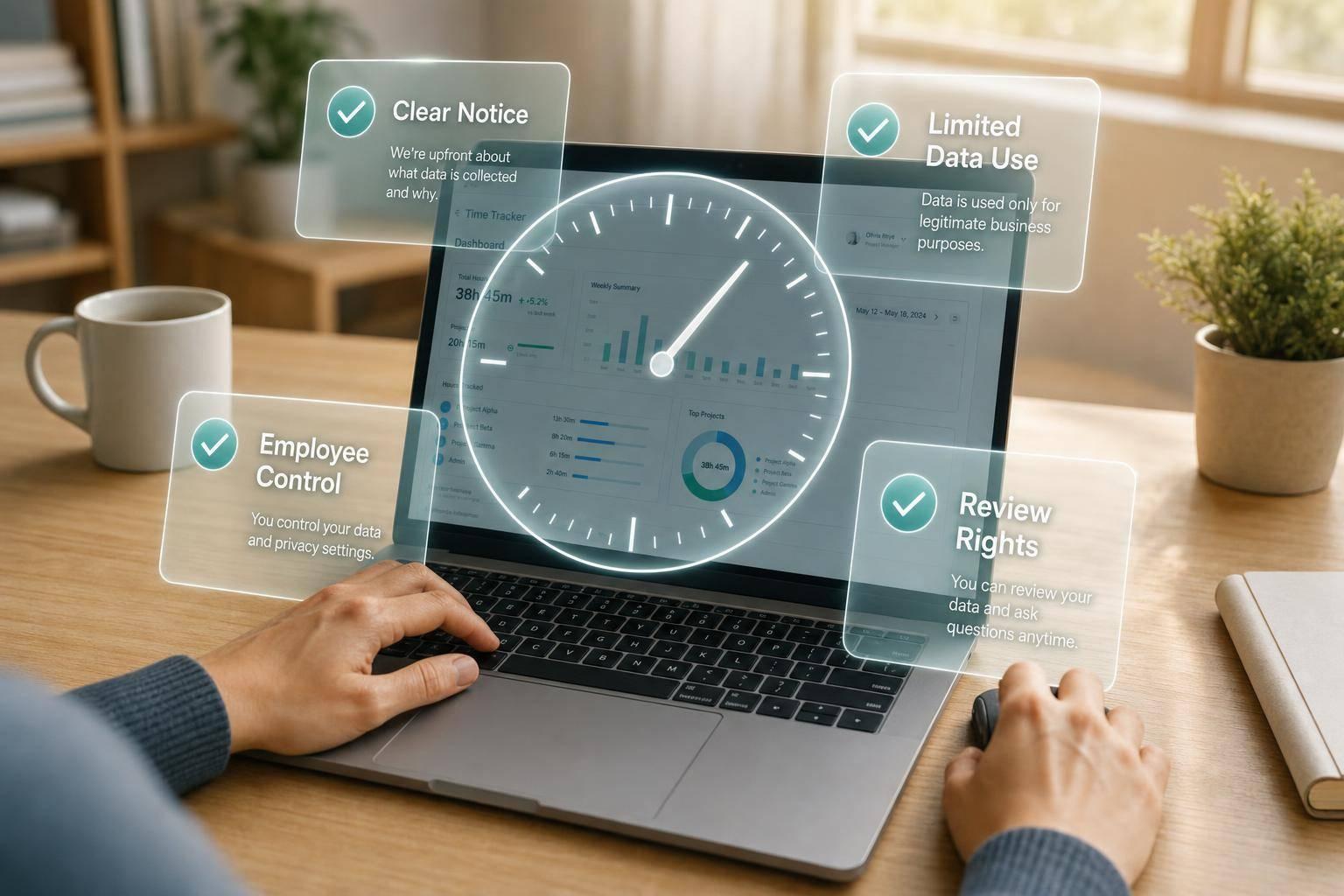
Studies show time tracking doesn't erode trust if policies include clear notice, limited data use, employee control, and review rights.
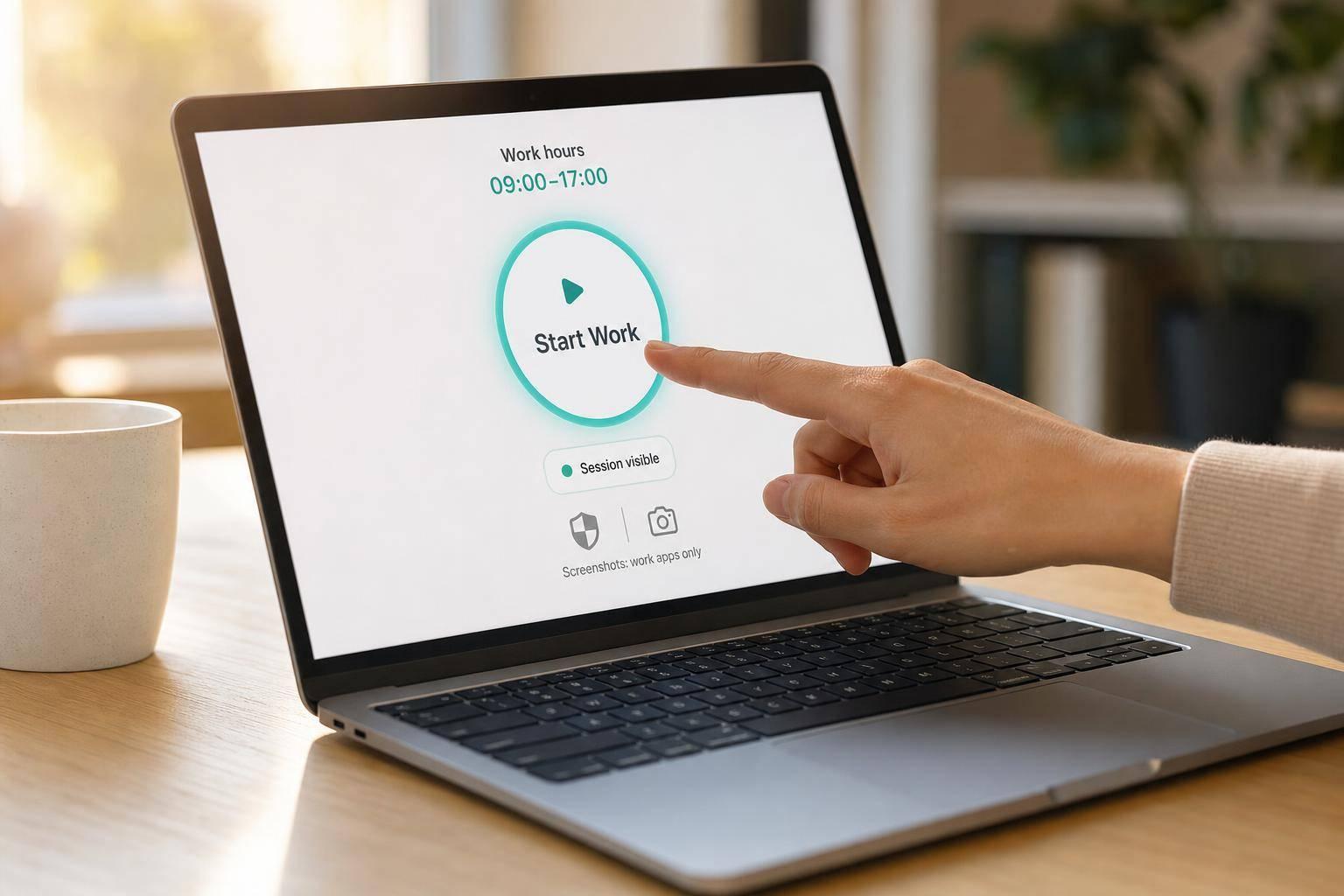
Track work only during work hours — use employee-controlled timers, visible sessions, and strict screenshot rules to protect privacy.

Defines notice, role-based access, screenshot rules, audit logs, retention, and enforcement for manager access to employee monitoring.

Compare stealth vs transparent employee monitoring: notice, consent, access, time-tracking, and policy clauses to protect trust.

Visible, limited monitoring with employee review beats covert surveillance and keeps payroll accurate.

Use simple client, project, and service billing codes, assign hourly rates, review hours, and archive old codes to cut billing errors.

2026 time-tracking checklist: ensure employee-controlled timers, audit-ready timesheets, payroll-ready reports, and transparent pricing.
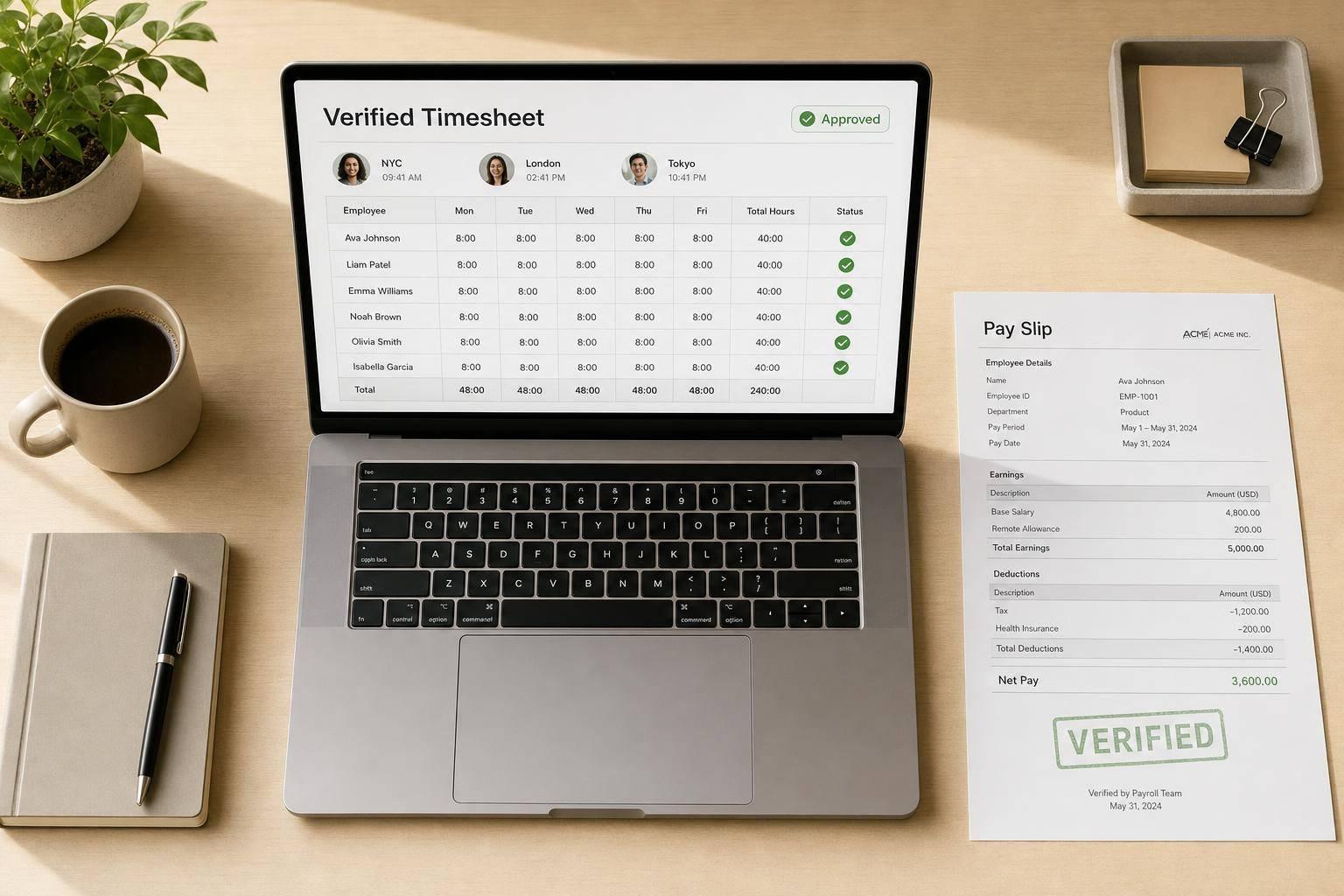
Turn daily time logs into payroll-ready, approved records that cut errors, speed payroll, and simplify audits for remote teams.
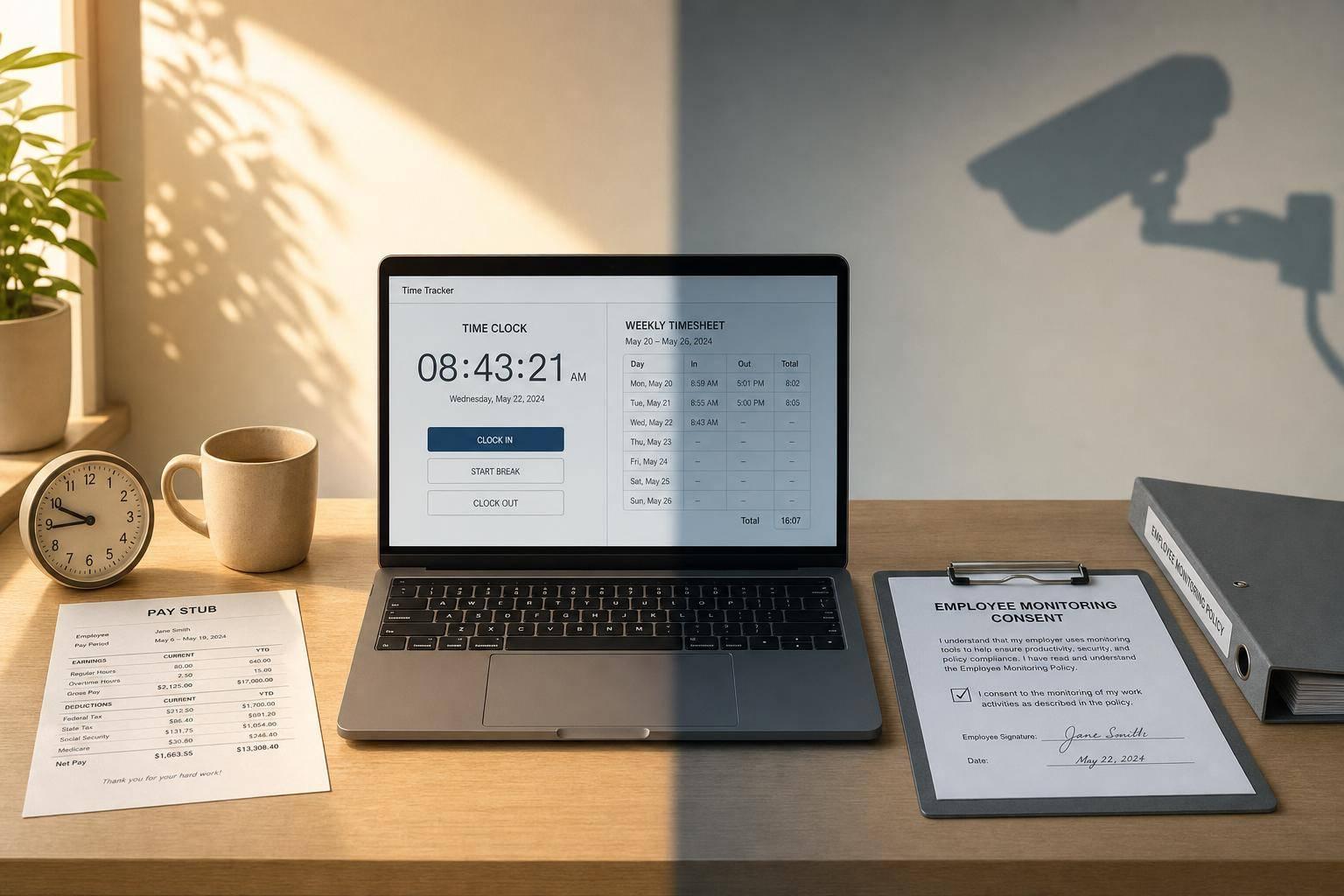
Compare scope, privacy, and use cases: use time tracking for hours and payroll; monitoring only with clear consent for compliance.